Miyo-pimâtisiwin (Good life) for Pîtoteyihtam (those who think differently) in Kinosao Sipi
Project Category: Indigenous Stream
March 16, 2026
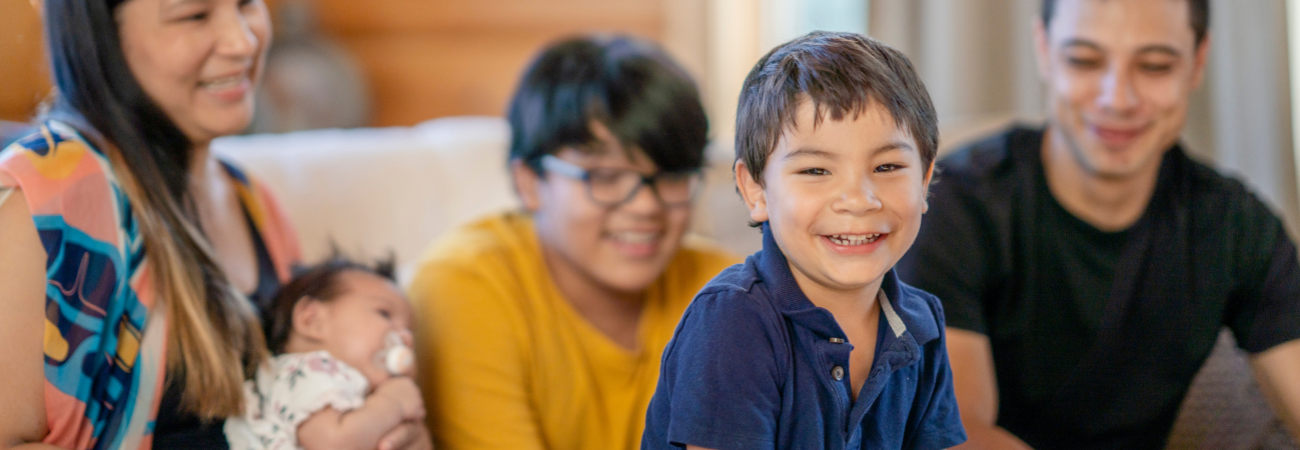
Parents, caregivers, and representatives from the College of Rehabilitation Sciences came together to discuss the needs of neurodivergent youth in Kinosao Sipi. From this conversation, a shared vision emerged: to bring community members together in a meaningful and coordinated way to design, implement, and evaluate supports for youth, their families, caregivers, and the wider community.
This project unites neurodivergent youth, families, caregivers, Elders, service providers, community members, and policymakers to help build a stronger future for youth living in Kinosao Sipi—or those who wish to return home. Grounded in a strengths-based approach, the project focuses on community leadership, collaboration, and long-term impact.
Project goals include:
- Develop, implement, and evaluate a holistic support model for youth in Kinosao Sipi (Norway House Cree Nation), informed by community dialogue and local data.
- Strengthen community capacity and health sovereignty to better support neurodivergent youth, their families, and caregivers.
- Establish practical, sustainable, and measurable strategies for long-term community capacity building.
By the end of the project, the community will have a sustainable support model grounded in shared agreement and collective ownership. The process and outcomes will also create a flexible template that other communities can adapt and build upon to support their own neurodivergent youth.
Award
Community Impact Grant
- Kids Brain Health Network: $82,400
- Brain Canada: $91,600
Partners
- University of Manitoba
- Norway House Project Team
Team
Principal Investigator: Dr. Reg Urbanowski
Collaborator (Team Leader): Suzan Albert *
Co-investigator: Debra Beach Ducharme ++
Collaborator: Grace Micklefield *
Collaborator: Lisa Muswagon *+
Collaborator: M’Liss Thomas *+
Collaborator: Tamar Chubb *
Collaborator: Nellie Swanson *
Collaborator: Una Truscott *#
Collaborator (Research Assistant): Rochelle James +
Collaborator: Corrine Clyne *
Team roles:
The members of the Norway House team will serve as advisors to the project and guide its implementation as it moves forward. They function as a unit, working together to create community support for youth and their families. The team leader will lead the team and serve as the primary contact between the team, the community, and the principal investigator. The principal investigator will guide the project, manage its performance, and be responsible for the stewardship of the allocated resources.
The University of Manitoba team will act as members of the project team and provide advice to the principal investigator and the team leader. People from other First Nations will also be able to provide a perspective on scalability to other communities when appropriate.
The Elder will be the link to other Elders in the community and will work with the Team Leader and Principal Investigator on communications to the community, Chief and Council, and other formal agencies that provide services in Norway House.
Those marked with a * are Norway House Cree Nation community members; those marked with a + are parents of youth; the name marked with a ++ is a grandmother of a youth; the name marked with a # is an Elder in the community.